Regular training after completing a BLS certification course is important because it helps you remember life-saving skills and respond quickly during emergencies. CPR, rescue breathing, and AED use need hands-on practice. Without regular training, you may forget key steps or lose confidence.
JM LifeSafety provides life-safety training to help learners build their skills and stay ready to handle medical emergencies.
Table of Contents
- Why Is Regular BLS Training Necessary?
- How Does Refresher Training Improve CPR Skills?
- Why Is AED Practice Important?
- How Does Regular Training Build Emergency Response Confidence?
- Who Benefits From Ongoing BLS Training?
- When Should You Renew Your BLS Certification?
- Why Choose JM LifeSafety for CPR and First Aid Training?
- Frequently Asked Questions
Understanding the Importance of Regular BLS Training
Completing a BLS course is the first step toward learning how to save lives. However, you also need regular practice to keep your skills fresh. The following sections explain how ongoing training improves your knowledge, builds confidence, and prepares you for real emergencies.
1. Why Is Regular BLS Training Necessary?
A BLS course teaches you how to respond to cardiac arrest, breathing problems, and other serious medical emergencies. However, taking one course does not mean you will remember every skill forever. Regular practice helps you recall important steps and use them correctly when someone needs help.
BLS training covers several important skills, including:
- High-quality CPR: Practice chest compressions at the correct speed and depth to help maintain proper technique.
- Rescue breathing: Learn how to give breaths to someone who is not breathing normally.
- AED use: Practice using an automated external defibrillator during a cardiac emergency.
- Choking response: Learn how to help adults, children, and infants who cannot breathe due to a blocked airway.
- Teamwork: Practice working with other rescuers and sharing clear instructions during an emergency.
A BLS certification course in Colorado teaches these basic life-saving skills. Regular practice helps you remember what to do and act without wasting time.
2. How Does Refresher Training Improve CPR Skills?
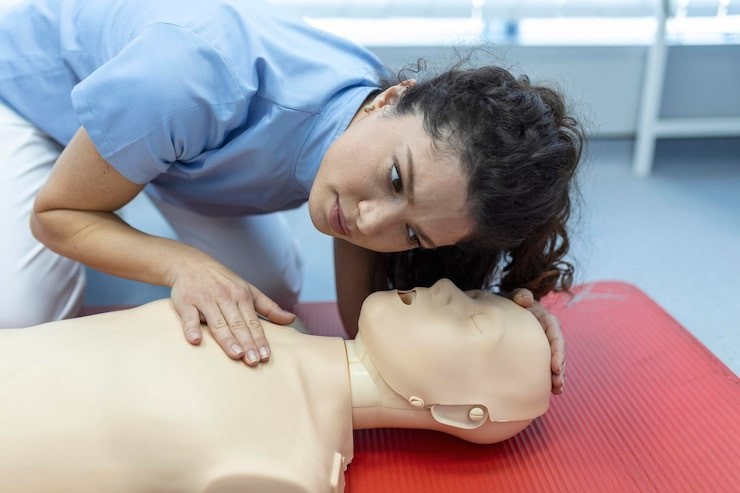
CPR needs the right technique, timing, and hand placement. You may remember the steps after completing a course, but a long break can make it harder to perform them correctly. Refresher training gives you time to practice and improve your technique.
During CPR practice, you can focus on:
- Giving chest compressions at the correct speed and depth.
- Allowing the chest to return to its normal position after each compression.
- Avoiding long pauses during CPR.
- Giving rescue breaths when required.
- Following the correct order of CPR steps.
Instructors can also watch your technique and help you correct mistakes. For healthcare workers, regular CPR practice is useful because they may need to respond to medical emergencies at work.
3. Why Is AED Practice Important?
An automated external defibrillator (AED) is a device used during certain cases of sudden cardiac arrest. It checks the heart's rhythm and can give an electric shock when needed. Knowing how to use it can help save a life.
Regular AED practice helps you learn how to:
- Turn on the AED.
- Place the pads correctly on the person's chest.
- Follow the device's voice instructions.
- Make sure nobody touches the person when a shock is advised.
- Continue CPR as directed by the device.
A BLS certification for healthcare professionals in Colorado includes important CPR and AED skills. Practicing these skills helps healthcare workers use the device with greater confidence during an emergency.
4. How Does Regular Training Build Emergency Response Confidence?
Medical emergencies can be stressful. You may feel nervous or confused when someone suddenly needs help. Regular training helps you stay calm by giving you time to practice different emergencies.
Training activities can include:
- Helping a patient who becomes unresponsive in a healthcare facility.
- Responding to someone experiencing sudden cardiac arrest.
- Helping an adult or child who is choking.
- Giving CPR and using an AED during an emergency.
These practice sessions teach you how to notice warning signs, follow the right steps, and communicate with other rescuers. They also help you learn from mistakes before facing a real emergency.
5. Who Benefits From Ongoing BLS Training?
BLS training is useful for anyone who may need to help during a medical emergency. It is especially important for people whose jobs involve caring for others.
The following groups can benefit from regular training:
- Healthcare professionals: Nurses, doctors, medical assistants, and other medical staff need up-to-date emergency response skills.
- First responders: Emergency workers need regular practice in CPR, AED use, and teamwork.
- Caregivers: People who care for children, older adults, or individuals with medical needs can benefit from learning life-saving skills.
- Workplace teams: Employees can learn how to respond if a medical emergency happens at work.
We offer CPR and First Aid training, including on-site classes and blended learning options. These programs help individuals and groups learn important emergency response skills.
6. When Should You Renew Your BLS Certification?
BLS certification has an expiry date. Many recognized BLS credentials, including American Heart Association credentials, remain valid for two years. However, you should check your certification card and workplace rules to confirm when you need to renew.
Keep these points in mind:
- Check your expiry date: Look at your certification card to see when it expires.
- Plan your renewal: Book a renewal course before your current certification ends.
- Review new guidelines: Learn about changes in CPR and emergency care instructions.
- Keep practicing: Take part in hands-on practice to keep your skills fresh.
Completing a BLS certification course in Colorado before your current card expires can help you keep your professional credentials up to date.
7. Why Choose JM LifeSafety for CPR and First Aid Training?
We provide life-safety training for individuals and workplace groups. Our services include CPR and First Aid classes, on-site training, and blended learning options. These choices make it easier for learners to find a training format that works for them.
Here is what learners can expect:
- Hands-on practice: Learn important skills through practical training activities.
- Flexible classes: On-site training allows groups to receive instruction at their workplace.
- Blended learning: Complete online lessons before attending an instructor-led skills session.
- Clear instructions: Learn the correct techniques with guidance from trained instructors.
If you need BLS certification for healthcare professionals in Colorado, check the course details before enrolling. Make sure the training meets your employer's requirements and professional needs.
Frequently Asked Questions
Q1. How frequently should I refresh my BLS skills?
Ans - Practice your BLS skills throughout the year instead of waiting for certification renewal. Regular hands-on sessions help you improve CPR technique, learn AED use, and remember the correct steps during medical emergencies.
Q2. Does BLS certification expire?
Ans - Yes. Many recognized BLS certifications remain valid for two years. Check your certification card for the expiry date and complete the required renewal course before your current certification ends.
Q3. Can I practice BLS skills after completing certification?
Ans - Yes. You can attend refresher classes, practice CPR on training manikins, and review AED instructions. Regular practice helps you remember important skills and feel more prepared for medical emergencies.
Q4. Why is AED practice included in BLS training?
Ans - AED practice teaches you how to turn on the device, place the pads, follow voice instructions, and deliver a shock when advised. These skills help you respond safely during sudden cardiac arrest.
Q5. Can healthcare professionals take BLS refresher training?
Ans - Yes. Healthcare professionals can take BLS renewal training to review CPR, rescue breathing, AED use, and teamwork. They should check their employer's rules before choosing a course.
Keep Your Life-Saving Skills Ready With JM LifeSafety
Completing a BLS course is only the beginning. Regular practice helps you remember important skills and respond with confidence during emergencies.
Contact us to learn more about our CPR, First Aid, and BLS training options in Colorado. Stay prepared and keep your life-saving skills fresh.